
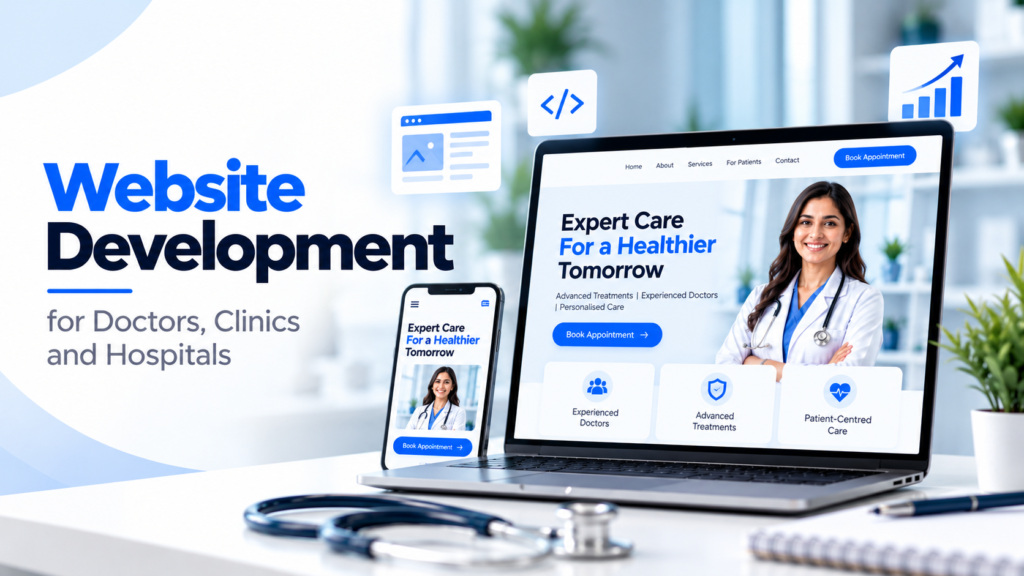
A business website should do more than display your logo, describe your services and provide a contact number. It should help potential customers understand what you offer, decide whether your business is right for them and take the next step with confidence.
Yet many businesses invest in website design without considering what happens after someone lands on the homepage. Visitors may struggle to find important information, understand the company’s services or discover how to make an enquiry. Even a visually attractive website can underperform when its structure, messaging and user experience do not support the customer’s decision-making process.
A successful business website combines thoughtful design, useful content, search engine optimisation, mobile usability and clear conversion paths.
Whether you are launching a new website or planning to improve an existing one, understanding the essential features of a lead-generating website can help you make better decisions about your investment.
In this guide, we explain what your business website should include, why each element matters and how to build a stronger foundation for sustainable online growth.
Why Your Business Website Needs More Than Good Design
Design creates the first impression, but it is only one part of an effective website.
A prospective customer may discover your business through Google Search, an advertisement, social media or a recommendation. Once they arrive at your website, they need to understand your offering, evaluate your credibility and determine what to do next.
If the website does not answer their questions, they may leave and explore another business.
An effective website should help visitors answer five fundamental questions:
- What does this business offer?
- Is this service relevant to my needs?
- Why should I consider this business?
- Can I trust the information and claims presented?
- How can I contact the business or take the next step?
When these questions are answered clearly, the website becomes more useful to prospective customers and provides a stronger foundation for marketing activities.
12 Essential Features Every Lead-Generating Business Website Should Include
1. A Clear and Purposeful Homepage
The homepage is often the first page people visit when researching a business. It should quickly communicate what the company does, whom it serves and what makes its offering relevant.
Avoid filling the homepage with vague statements that could describe almost any company. Instead, use a clear headline, a short supporting explanation and a prominent next step.
For example, a professional services company could explain the specific services it provides and the type of clients it helps. A clinic could highlight its specialties, relevant practitioner information and appointment options.
A strong homepage typically includes:
- A clear headline describing the core offering.
- Supporting copy explaining the value to customers.
- A visible call to action.
- An overview of the main services.
- Trust-building information.
- Relevant customer testimonials or project examples, where available.
- Easy-to-find contact information.
The objective is not to place every detail on one page. It is to help visitors understand the business and navigate to the information they need.
2. Dedicated Service Pages
One of the most common website planning mistakes is placing every service on a single page.
When a business offers multiple services, each important offering deserves an appropriate level of detail. Dedicated service pages allow visitors to understand what is included, who the service is intended for and how to enquire.
They also provide more focused opportunities for search engine optimisation.
A useful service page should explain the service in straightforward language, address common customer questions, describe the process where relevant and provide a clear next step.
For example, a digital marketing company may have separate pages for SEO, Google Ads and website development. A healthcare organisation may need distinct pages for its major specialties or treatments.
Each page should offer genuinely useful information rather than repeating nearly identical copy with only the service name changed.
3. A Simple and Logical Navigation Structure
Visitors should not have to search extensively to find important information.
A confusing menu, excessive dropdowns or unclear page labels can make a website frustrating to use. A logical navigation structure helps people move between the homepage, services, about page, relevant resources and contact information.
For most business websites, navigation should prioritise the pages that matter most to customers.
Use descriptive menu labels instead of vague terms that do not explain what a page contains. Group related services together when necessary, and make important actions easy to locate.
A well-planned website structure also helps search engines understand how pages relate to one another. Google’s SEO Starter Guide recommends logical organisation, useful content and descriptive URLs as part of sound website SEO practices.
4. Clear Calls to Action
A call to action tells visitors what they can do next.
Without a clear next step, someone may read about a service and leave without contacting the business.
The right call to action depends on the business model and the visitor’s stage in the decision-making process.
Examples include:
- Request a Quote
- Book an Appointment
- Schedule a Consultation
- Enquire About a Service
- Request a Product Demonstration
- Call Our Team
Place calls to action where they make sense within the customer journey. A visitor reading a detailed service page may be ready to enquire, while someone reading an introductory article may prefer to explore related information first.
Avoid overwhelming visitors with multiple competing buttons. Choose a primary action for each page and use supporting actions only when they are genuinely helpful.
5. Mobile-Friendly Design
Customers increasingly access business websites from smartphones. A website that works well on a desktop computer but becomes difficult to use on a smaller screen can create unnecessary friction.
Responsive design allows a website’s layout to adapt to different screen sizes.
A mobile-friendly website should have readable text, appropriately sized buttons, usable menus, well-formatted forms and images that fit the screen. Visitors should be able to find important information without excessive zooming or horizontal scrolling.
Test the website on different devices and screen sizes rather than assuming that a desktop preview is sufficient.
Pay particular attention to enquiry forms, telephone links and appointment buttons. If these elements are difficult to use on mobile, prospective customers may abandon the process before completing it.
6. Fast Loading and a Stable User Experience
Website speed affects how quickly visitors can access information and interact with a page. Slow-loading pages can interrupt the customer journey, particularly when someone is browsing on a mobile connection.
Performance should be considered during design and development rather than treated as an optional improvement after launch.
Important areas to review include:
- Image dimensions and compression.
- Unnecessary scripts and plugins.
- Hosting and server response.
- Caching and resource delivery.
- Font loading.
- Layout stability during page loading.
- Responsiveness when users interact with the page.
Google recommends monitoring Core Web Vitals, which measure loading performance, responsiveness and visual stability. Its current guidance identifies good targets as Largest Contentful Paint within 2.5 seconds, Interaction to Next Paint below 200 milliseconds and Cumulative Layout Shift below 0.1. These measurements help assess user experience, but meeting them does not guarantee higher rankings. See Google’s Core Web Vitals guidance.
A performance review should consider actual user experience as well as laboratory testing results.
7. Trust-Building Content and Credibility Signals
People are more likely to consider contacting a business when they can find credible information about the organisation.
Your website should explain who you are, what you do and why prospective customers should consider your services.
Useful trust-building elements may include:
- A detailed About Us page.
- Genuine team profiles and professional credentials.
- Relevant client testimonials with appropriate permission.
- Real project examples or case studies.
- Clear business contact information.
- Accurate information about services and processes.
- Relevant certifications or memberships that can be verified.
- Transparent policies and terms where applicable.
Avoid inventing reviews, presenting stock photographs as actual employees or clients, or publishing unsupported claims about awards and results.
Trust is built through consistent, verifiable information. The purpose of these elements is to help visitors make an informed decision rather than overwhelm them with promotional claims.
8. Useful and Search-Friendly Website Content
A website needs content that addresses what prospective customers want to know.
Short descriptions may be sufficient for some pages, but important services often require more detail. Visitors may want to understand the scope of a service, the problems it addresses, the process involved and the questions they should ask before making a decision.
Start by researching the questions customers actually ask. Organise each page around a clear subject, use descriptive headings and explain the topic in natural language.
Search engine optimisation should be integrated into the content strategy through:
- Relevant page titles and meta descriptions.
- Clear H1 and subheading structure.
- Descriptive and readable URLs.
- Natural use of relevant search terms.
- Contextual internal links.
- Helpful image alt text where appropriate.
- Accurate, original and regularly reviewed information.
Avoid writing content solely to repeat keywords. A page should be useful to the person who arrives on it, not simply contain variations of a target phrase.
For a broader understanding of how content and technical foundations work together, explore our SEO services.
9. A Convenient Contact and Enquiry Process
Generating an enquiry should be straightforward.
If visitors must navigate through several pages to find a telephone number or complete a long form, some may abandon the process.
Choose contact methods that suit the audience and type of service. These could include a short enquiry form, telephone contact, email, appointment scheduling or a suitable messaging option.
A useful enquiry form generally requests only the information needed to respond appropriately. For many businesses, this may include the visitor’s name, preferred contact method and a brief description of their requirements.
Make form labels clear, explain any required fields and provide a confirmation after successful submission. Test the complete process, including email delivery and notifications, before launching the website.
For businesses handling personal or sensitive information, the form and its associated systems should be designed with appropriate privacy and security safeguards.
10. Relevant Images and Visual Content
Images help visitors understand products, services, facilities and completed work. They can also make complex information easier to navigate.
However, visual content should support the purpose of the page rather than simply fill empty space.
Use relevant photographs, product images, project examples, diagrams or other assets that help explain the offering. Ensure that images are appropriately sized and optimised for performance.
Where possible, use genuine images of your team, facilities, products or projects instead of relying entirely on generic stock photography.
Add meaningful alternative text to informative images so that their purpose can be understood by people using assistive technology. Decorative images should be handled appropriately so they do not create unnecessary noise for screen readers.
A consistent visual style, adequate contrast and readable typography also help make the website easier to use.
11. Analytics and Conversion Tracking
A business website should make it possible to evaluate how well it supports business objectives.
Without measurement, it can be difficult to determine whether visitors are finding the right pages, using the contact options or completing important actions.
Depending on your goals, useful measurements may include:
- Organic search traffic.
- Visits to key service pages.
- Enquiry form submissions.
- Clicks on telephone or email links.
- Appointment requests.
- Purchases or completed transactions.
- Traffic sources and landing pages.
- Conversion rates for important actions.
Tools such as Google Analytics and Google Search Console can help answer different questions about website performance and search visibility.
Configure tracking carefully so that important actions are measured consistently. Test conversion events and make sure reports distinguish between meaningful enquiries and less valuable interactions.
Remember that a large number of visitors does not automatically mean the website is performing well. The quality of enquiries and their contribution to business goals matter too.
12. Security, Maintenance and Scalability
Launching a website is not the end of website management.
Software updates, security checks, backups, form testing and content maintenance help keep a website functional as the business evolves.
At a minimum, consider:
- HTTPS and appropriate security configuration.
- Regular backups and a tested recovery process.
- Timely updates to the content management system, themes and plugins.
- Spam protection for forms.
- Access controls for administrators.
- Monitoring for broken links and technical errors.
- A process for reviewing outdated content.
- Ongoing compatibility and performance checks.
Plan for future requirements as well. A growing business may eventually need additional service pages, new locations, online payments, appointment scheduling or integration with a customer relationship management system.
A scalable website structure can make these improvements easier to manage. The right approach depends on the business’s current requirements, budget and likely future needs.
How to Plan a Website Around Your Business Goals
Before selecting a design or development platform, clarify what the website needs to accomplish.
A business that relies on consultation enquiries will have different requirements from an online retailer or a company offering complex professional services.
Start by identifying the primary audience, the services or products to promote and the actions you want visitors to complete.
Next, map the main pages and the journey a visitor might take from discovering the business to making an enquiry. Determine what information they need at each stage and which pages should guide them towards the primary action.
Finally, establish how success will be measured. This may involve enquiry volume, qualified leads, online sales, appointment requests or another business-specific objective.
A clear plan helps avoid investing in features that look impressive but do little to support the website’s purpose.
Common Website Development Mistakes That Can Reduce Enquiries
Even a well-designed website can struggle when important planning and usability issues are overlooked.
Designing for Appearance Alone
Visual design matters, but a website also needs clear messaging, useful information and a straightforward user journey. Prioritise both appearance and usability.
Using the Same Generic Content Everywhere
Service pages should explain their individual offerings. Repeated, vague copy makes it harder for visitors to understand the differences between services and can create a weak foundation for SEO.
Ignoring Mobile Users
A website should be tested on real mobile devices or suitable device emulators. Pay special attention to navigation, forms, buttons and page speed.
Hiding Contact Information
Visitors should not have to search extensively to contact the business. Place contact options where they are relevant and make the next step clear.
Neglecting SEO During Development
Adding SEO after the entire website has been built may require avoidable structural changes. Plan page hierarchy, URLs, headings, internal links, indexability and performance requirements early.
Failing to Test Before Launch
Check forms, links, mobile layouts, page loading, redirects and tracking before publishing. A website can appear complete while important functions remain broken.
Treating Launch Day as the Finish Line
Customer needs, services and technology change over time. Review website performance regularly and prioritise improvements based on actual issues and business objectives.
Should You Build a New Website or Redesign Your Existing One?
The answer depends on the condition of your current website and the problems you need to solve.
A redesign may be appropriate if the existing website has a solid technical foundation but needs clearer messaging, improved navigation, updated visuals or better conversion paths.
A new development project may make more sense when the current platform cannot support important requirements, the website structure is difficult to maintain or technical limitations are preventing necessary improvements.
Before deciding, review the website’s performance, analytics, technical health, content quality and conversion journey. Identify which problems can be fixed and which require a more substantial change.
If you are planning a new site or considering an upgrade, Zinovo’s website development services cover business websites, WordPress development, custom website design, landing pages and website redesigns.
The right choice should be based on the website’s actual needs rather than the assumption that every business requires a completely new design.
How Zinovo Approaches Website Development
At Zinovo, website development is considered part of a wider digital growth strategy.
A website may support organic search, paid advertising, local visibility, social media campaigns and direct customer enquiries. Its structure and user experience should therefore align with the business’s goals and the expectations of its audience.
Our approach begins with understanding the business, its services and its intended customers. We then consider the page structure, design, responsive development, essential SEO requirements and the actions visitors should be able to take.
Depending on the project, this can include business website development, WordPress websites, custom design, landing pages and website redesigns.
The goal is to build a website that communicates clearly, works across devices and provides a practical foundation for ongoing marketing and improvement.
Explore our Website Development Company in Mumbai page to learn more about our services.
Frequently Asked Questions
What should a business website include?
A business website should include a clear homepage, dedicated service or product pages, logical navigation, contact information, calls to action, mobile-friendly design, useful content, trust-building information, appropriate security and performance measurement. The exact requirements depend on the business model and its objectives.
How can I make my business website generate more leads?
Start by making your offering clear, improving the mobile experience, creating useful service pages and placing relevant calls to action throughout the website. Make contact easy, remove unnecessary form fields and use analytics to identify where visitors abandon the enquiry process.
Is SEO important during website development?
Yes. Planning SEO during development helps establish a logical site structure, descriptive URLs, appropriate headings, internal links and a foundation for technical optimisation. It can also reduce the need for structural changes after launch. SEO-friendly development does not guarantee rankings, but it helps create a stronger starting point.
Does website speed affect SEO?
Website speed contributes to user experience, and Core Web Vitals are part of Google’s page experience considerations. However, speed scores alone do not determine rankings. Relevant content, search intent, technical accessibility and other factors also matter.
Should every business have a mobile-friendly website?
For most businesses, a mobile-friendly website is essential because customers may discover services, compare options and contact providers using smartphones. Responsive design helps the website adapt to different screens and makes important information easier to access.
How often should a business website be updated?
There is no universal update schedule. Security and software maintenance should follow appropriate update practices, while content should be reviewed whenever services, pricing, operating details or customer needs change. Performance and usability should also be reviewed periodically.
How do I choose a website development company?
Look for a provider that understands your business goals, explains its development process, clarifies the project scope and responsibilities, considers SEO and mobile usability, and provides a clear approach to testing and maintenance. Review relevant work and make sure you understand who owns the domain, hosting, website files and connected accounts.
Is an attractive website enough to grow a business online?
No. Visual design is important, but business growth also depends on useful content, relevant traffic, credibility, usability, conversion paths and ongoing measurement. A website is most effective when it supports the wider marketing strategy and makes it easy for potential customers to take the next step.
Conclusion
A business website should serve as more than an online brochure. It should communicate the value of your services, answer customer questions, establish credibility and make it easy for visitors to take meaningful action.
The strongest websites combine clear messaging, logical navigation, dedicated service pages, mobile-friendly design, sound technical foundations and reliable performance tracking.
There is no single design or feature list that guarantees more leads. The right website is one built around the needs of its audience, the realities of its business and clearly defined objectives.
If your current website is difficult to navigate, fails to explain your services or makes enquiries unnecessarily complicated, reviewing these fundamentals is a practical place to start.
Planning a new business website or redesign? Connect with Zinovo to discuss a website development approach aligned with your business goals.